

Nepal Capital Market Is Not a Gambling House: Investors Demand Protection & Responsibility
Nepal Capital Market Is Not a Gambling House: Investors Demand Responsibility and Investor Protection
Nepal’s capital market is not a gambling house. It is an important financial system where millions of citizens invest their hard-earned savings and where the strength of the Nepalese economy is closely connected.
Investors have not asked the Finance Minister to artificially “pump and dump” the Nepal Stock Exchange (NEPSE). What investors are demanding is much simpler: responsible policymaking, sensitivity toward the capital market, investor protection, and timely action.
Capital Market Represents Millions of Investors
For many Nepali citizens, the share market is more than a place for short-term trading. It represents years of savings, investment plans, retirement funds, and hopes for financial security.
Therefore, statements or decisions related to the Nepal stock market should be handled with appropriate responsibility. Even a seemingly casual comment from policymakers can influence investor confidence, market sentiment, and stock market volatility.
What Happens If the Capital Market Collapses?
A weak or unstable capital market can have consequences beyond investors and listed companies.
1. Hard-Earned Savings Could Be Destroyed
Millions of investors have invested their lifetime savings in stocks, mutual funds, and other capital market instruments. A prolonged market crisis can significantly affect household wealth and financial security.
2. Economic Confidence Could Decline
The capital market is an important pillar of the financial system. A sustained loss of confidence can affect investment, liquidity, business expansion, and overall economic activity.
3. Public Trust Could Be Damaged
Investors expect government authorities and regulators to act responsibly when dealing with sensitive financial issues. If market concerns are dismissed through casual remarks, it can weaken investor confidence in the government and financial institutions.
Investors Are Asking for Stability, Not Artificial Growth
It is important to distinguish between market manipulation and legitimate investor expectations.
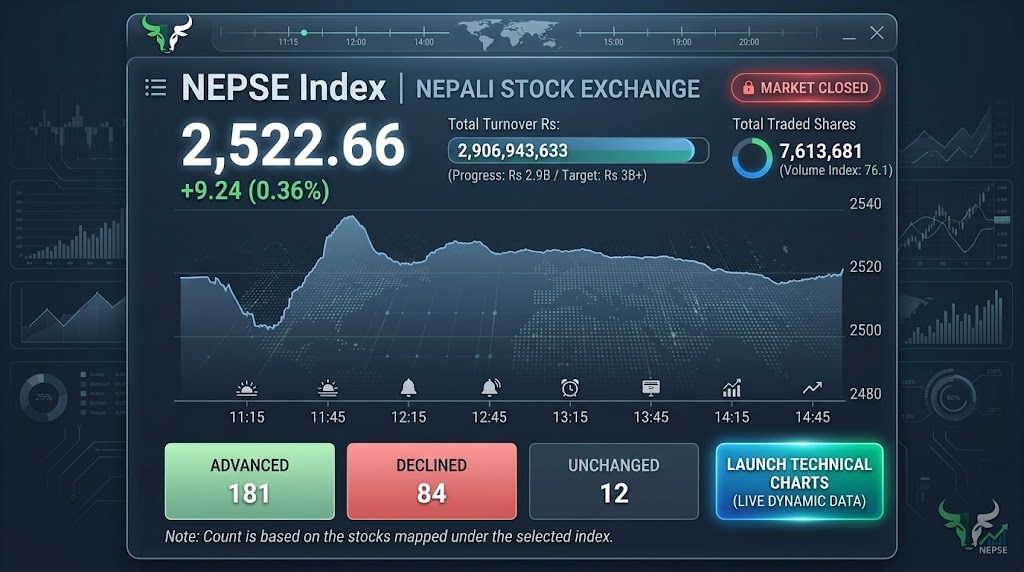
Investors are not necessarily demanding that the government artificially push the NEPSE Index higher. Instead, they are seeking a predictable policy environment, effective regulation, transparency, and measures that strengthen the foundation of Nepal’s capital market.
A healthy stock market should be supported by sound policies, institutional reforms, better market infrastructure, improved corporate governance, and greater investor protection.
Sensitive Issues Require Responsible Statements
The Nepal stock market is highly sensitive to policy announcements and statements from government officials, regulators, and other influential stakeholders.
Therefore, discussions surrounding NEPSE, share market policy, capital market reform, margin lending, stock market regulation, and investor protection should be approached with seriousness.
Investors are ultimately asking for one thing: responsible leadership and timely action to protect confidence in Nepal’s capital market.
Conclusion
The Nepal capital market is not a gambling house. It is a financial platform connected to the savings of millions of citizens and an important component of the national economy.
The concern of investors should not be interpreted as a demand to artificially increase or decrease the market. It is a call for responsibility, stability, transparency, investor protection, and long-term capital market development.
When the confidence of investors is protected, the confidence of the broader economy is also strengthened.
Sarbaguna believes that Nepal’s capital market needs responsible policy, informed investors, and sustainable growth—not careless statements or short-term intervention.


Leave a Comments
Comments

Popular



Recent Post

No comments yet.